Blog
Coastal Fenestration Trends and Best Practices for Durable, Light-Filled Homes
Coastal homeowners and builders are rethinking window and door choices to balance natural light, storm resilience, and energy performance without sacrificing architectural character.
1. Impact-Rated Glazing as a Baseline, Not a Bonus
In hurricane-prone regions, impact-rated glazing has evolved from an upgrade to a baseline expectation. Beyond resisting windborne debris, modern laminated glass and reinforced frames minimize water intrusion when paired with properly engineered seals and sill systems. Architects often specify broader mullion spacing and thermally broken frames to preserve sightlines without compromising strength.
2. Sliding Doors: Bigger Panels, Smoother Movement, Smarter Thresholds
Contemporary sliding systems concentrate on large panel sizes, effortless operation, and ADA-friendly thresholds that still shed water under driving rain. Multi-track configurations allow panels to stack neatly, opening rooms to terraces and pools. For coastal projects, stainless steel rollers and powder-coated frames resist corrosion, and integrated drainage paths in the sill help prevent pooling.
3. Energy Strategy: Solar Control Without Dimming the View
High solar exposure makes glass selection central to comfort and efficiency. Spectrally selective coatings reduce heat transmission while maintaining natural color rendering. Frame materials with thermal breaks and insulated glass units maintain interior surface temperatures more consistently. Strategic shading with deep eaves, pergolas, and landscaping further boosts performance.
4. Permitting, Testing, and Documentation for Coastal Codes
Coastal jurisdictions emphasize compliance with wind-load maps, product approvals, and installation details. Submittal packages include drawings, product approval sheets, and engineering calculations. On site, consistent shimming, proper fastener edge distances, and sealant compatibility are essential. A well-organized documentation trail streamlines approvals and protects long-term value.
5. Design Detailing: From Hardware to Coastal Finishes
Durability in marine environments starts with materials and finishes that shrug off salt, sun, and humidity. Hardware should feature stainless or corrosion-resistant alloys, and finishes benefit from robust powder coats. Maintenance planning includes seasonal rinses of exterior frames, testing locking points, and refreshing perimeter sealant where needed.
Modern Impact Window and Door Trends: Codes, Materials, and Installation Best Practices
Impact-rated windows and doors have become essential elements of building envelopes in coastal and storm-prone regions, guiding design choices, code strategies, and installation methods for both new construction and retrofits.
1. Understanding Code Compliance and Approvals
Impact glazing is only as reliable as the standards it meets and the documentation behind it. Local building codes dictate wind pressure, debris resistance, and water management requirements. Product approvals and third-party laboratory tests verify performance for specific sizes and configurations. Early coordination among designers, contractors, and inspectors reduces redesigns and keeps submittals clean.
2. Choosing Frames, Glazing, and Hardware for Performance and Style
Frame materials and glazing assemblies influence durability, appearance, and maintenance. Aluminum frames offer strength and narrow sightlines with durable finishes, while vinyl and fiberglass provide thermal benefits and corrosion resistance. Laminated glass with robust interlayers enhances impact resistance and sound control. For coastal projects, stainless or coated hardware extends service life in salt air.
3. Installation Techniques That Protect the Building Envelope
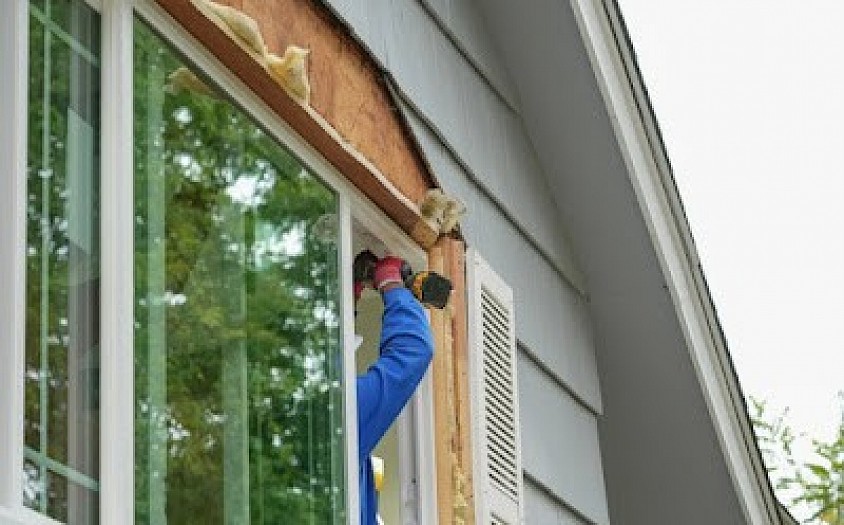
Even the highest-rated product underperforms when installation shortcuts compromise the envelope. Substrate preparation should verify plumb, level, and plane conditions. Continuous flashing, compatible sealants, and properly placed shims maintain drainage paths. For double entry doors installation, careful alignment of the sill, panels, and astragal sealing is critical.
4. Energy, Comfort, and Acoustic Considerations Beyond Impact Resistance
Impact products contribute to comfort far beyond storm protection. Tight air seals reduce drafts, aiding HVAC performance. Low-e glass options manage heat gain while preserving natural light. In busy neighborhoods, laminated glass interlayers dampen outside noise, improving acoustic comfort.
5. Maintenance, Inspections, and Retrofit Planning for Long-Term Value
Long-term performance depends on routine care and documented inspections. Seasonal checks should confirm that gaskets remain supple, weeps are open, and perimeter sealant is intact. When planning a retrofit, evaluate rough openings and existing waterproofing to determine the most practical approach. Clear closeout documentation helps future teams maintain compliance and resilience.